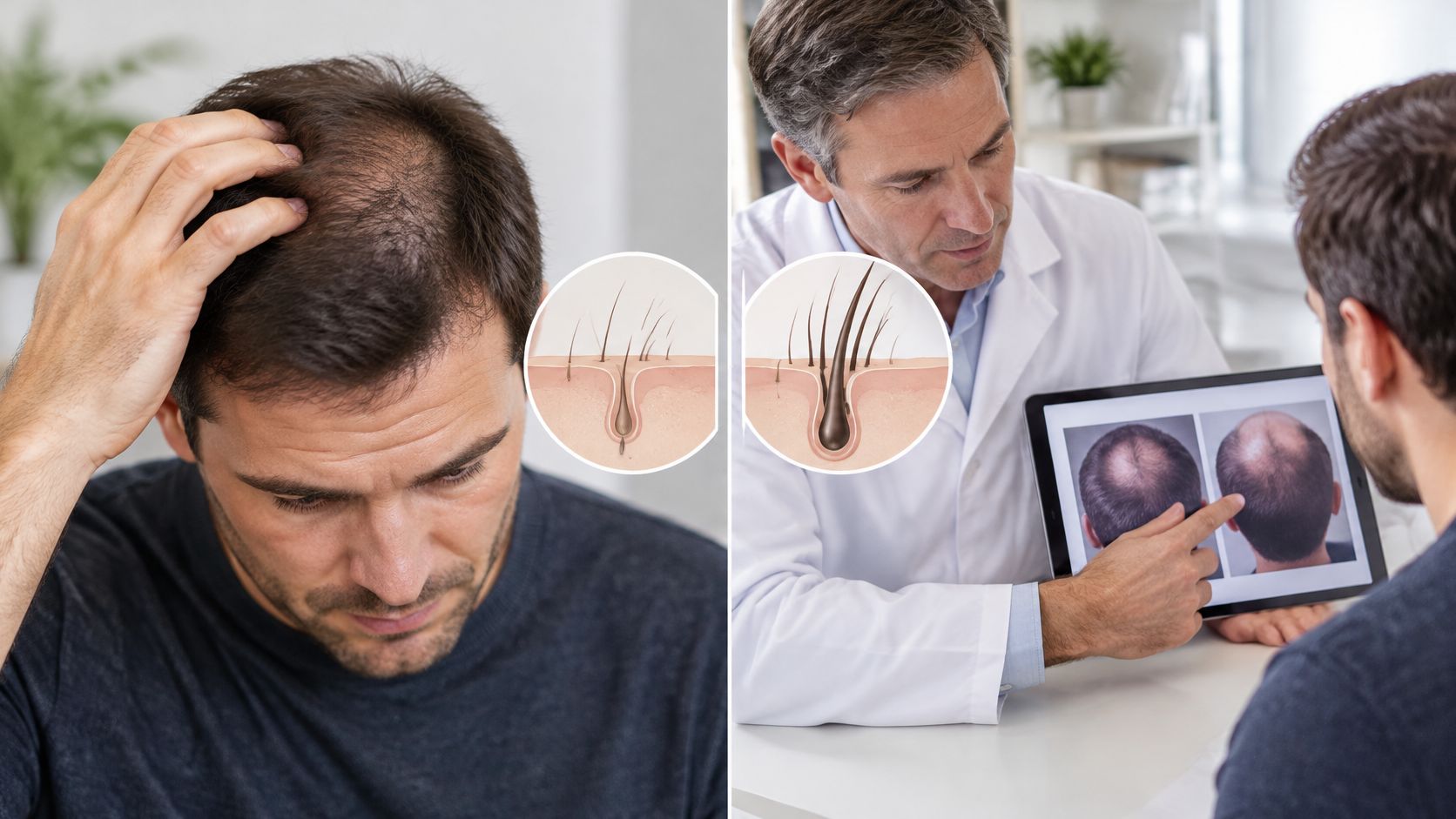
How to Give Hair More Volume: Evidence-Based Strategies
Learn how to give hair more volume with evidence-based styling, cutting, and care techniques that address both cosmetic lift and underlying follicle biology.
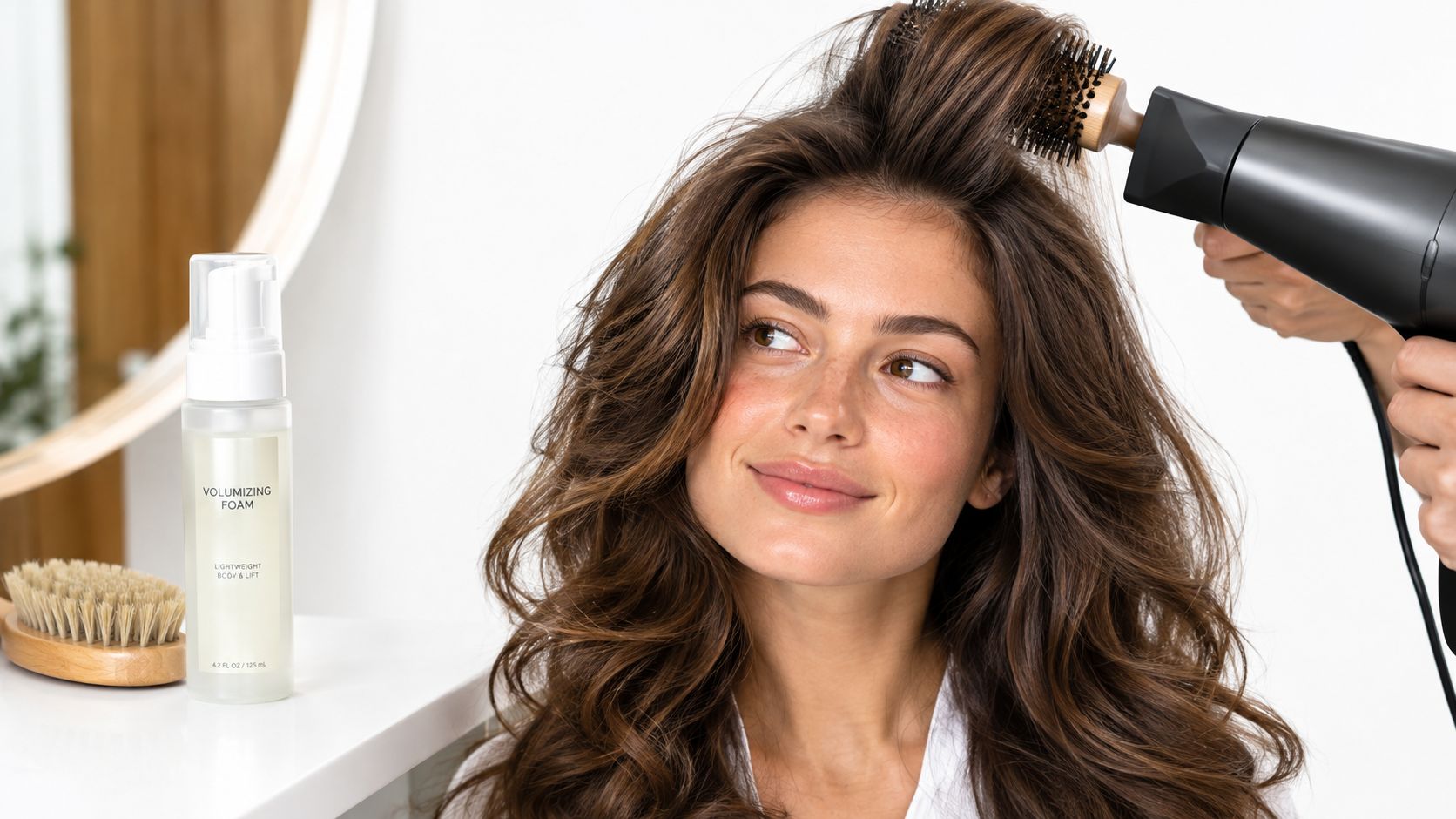
A familiar scene: hair looks full after washing, then falls close to the scalp by midday. Styling can help, but flat roots aren't always just a styling problem. A widening part, increased scalp visibility, or new diffuse shedding may signal changes in hair density or strand thickness that a volumizing product can't address.
A useful approach to how to give hair more volume starts with identifying the cause. Cosmetic techniques can lift or coat existing fibers; medical care may address shedding or follicle miniaturization. Those approaches solve different problems, and choosing between them begins with what has changed.
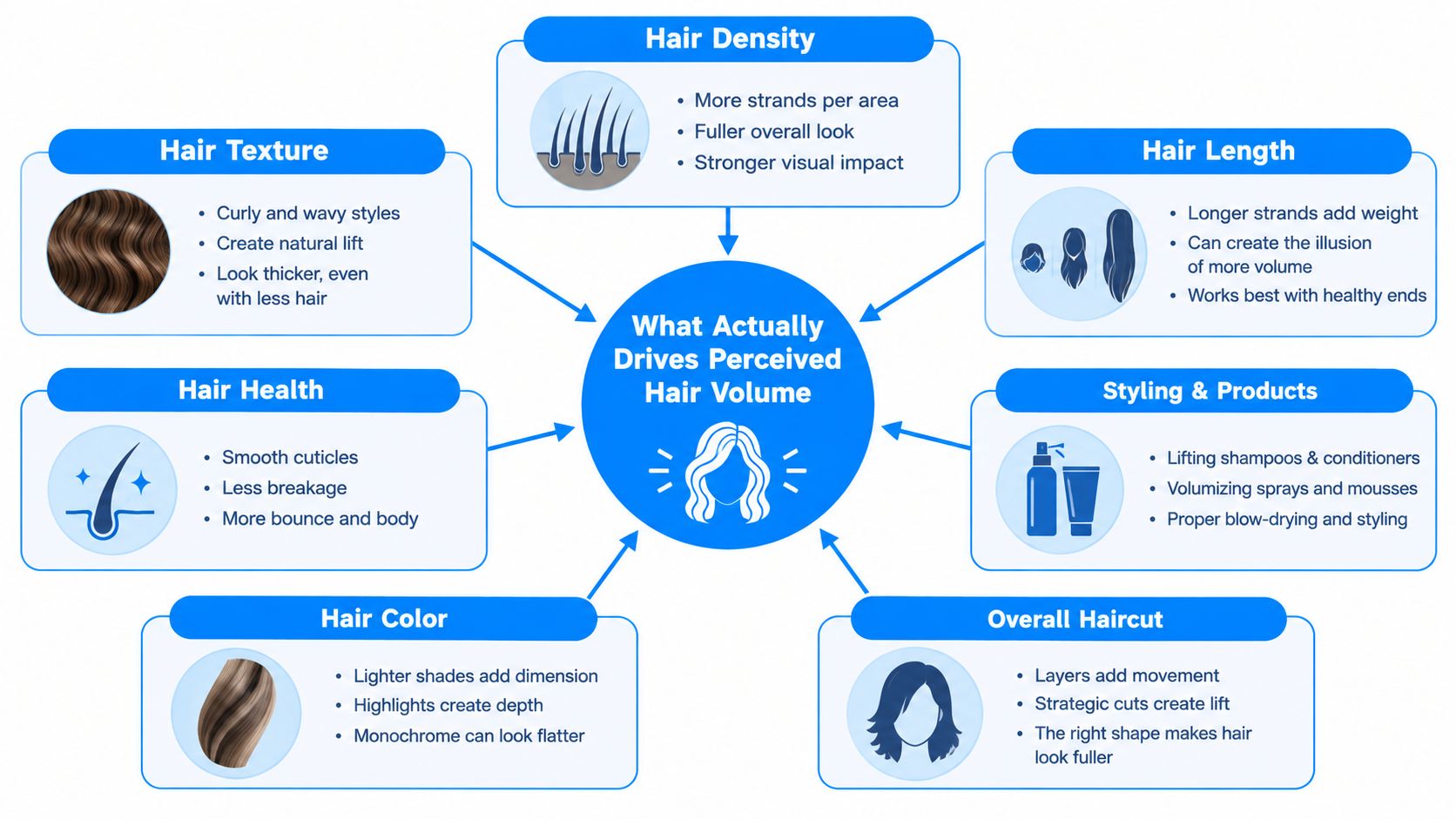
What Actually Drives Perceived Hair Volume
Perceived fullness depends on more than the number of hairs on the scalp. Four factors matter: follicle count, individual fiber diameter, the proportion of follicles in the active growth phase, and how the assembled hair lifts or falls. Two people with similar density can look very different if one has thicker fibers or hair that holds its shape away from the scalp.
Start by noticing the pattern. If roots flatten but the part and scalp coverage look stable, styling and product weight may be the main issues. If the part is widening or more scalp is visible, thinning or miniaturization deserves consideration. If hair is shedding across the scalp, the trigger may be different again.
Hair biology helps explain why caliber matters. An observational study found that thinner fibers were associated with shorter active growth periods than thicker fibers, but it doesn't establish that making a strand thicker will permanently extend its growth phase. In pattern hair loss, follicles can produce progressively finer fibers, reducing coverage even before the total number of visible hairs changes dramatically. Research on hair fiber diameter and growth phases offers a biological context for distinguishing caliber from density.
This distinction also clarifies what products can and can't do. A conditioner or styling polymer may temporarily increase the space and structure within a hair assembly. A treatment intended to influence shedding or follicle miniaturization works on a different timescale and requires appropriate diagnosis and follow-through. For readers comparing cosmetic options, this guide to boost hair thickness naturally can provide additional context; natural approaches shouldn't be mistaken for proven treatment of progressive hair loss.
Hair that looks especially sparse when wet can also be misleading because wet strands clump together. Why hair looks thin when wet explains that appearance in more detail. The practical question is whether fullness returns after drying, or whether the part, coverage, or shedding pattern has changed over time.
Cosmetic Lift Through Styling, Cutting, and Formulation
When density is stable and the problem is flat roots, styling is a sensible first move. The goal is to create lift without coating fine strands so heavily that they collapse. A lightweight shampoo and conditioner used mainly on the lengths may suit hair that loses root lift quickly; the right formula varies by texture, scalp oiliness, and how much product remains on the hair.
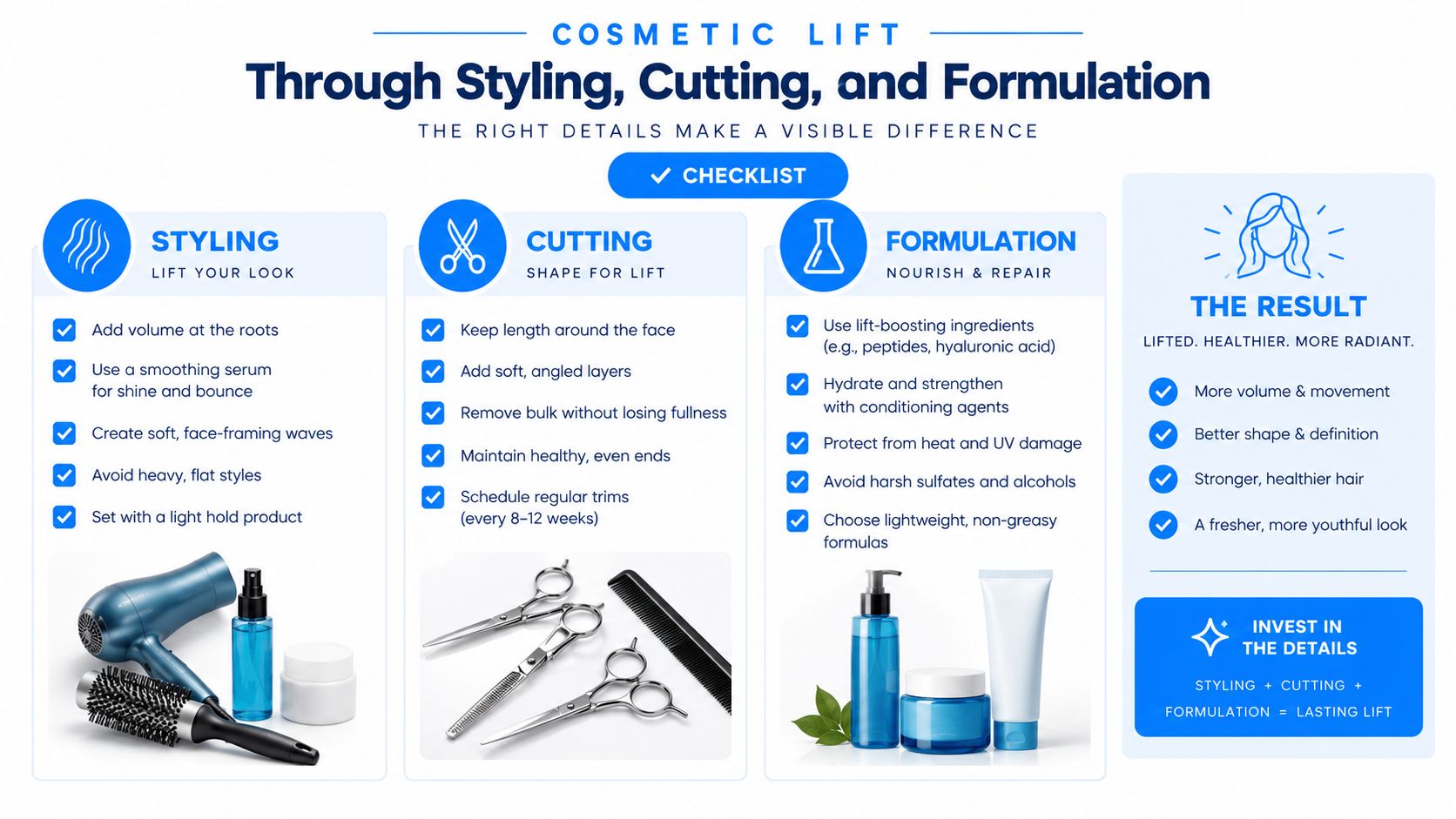
A volumizing shampoo, conditioner, or styling polymer can change the feel and arrangement of existing fibers, but results are cosmetic and temporary. Some products coat strands to make them feel thicker; heavy residue can counteract lift, especially at the roots. Use a small amount first, then assess whether the hair stays buoyant or feels weighed down. Styling polymers can help a shape hold, but they don't create follicles or stop miniaturization.
Fiber-thickening approaches have also been measured at the strand level. A report found that a treatment increased the diameter of existing terminal scalp hairs by approximately 2–5 micrometers, estimated to raise each fiber's cross-sectional area by about 10%; it also described changes in pliability and breakage resistance. Those findings concern fiber properties, not new follicle growth. Research on hair-tress volume measurement and fiber treatments also describes objective methods for measuring the volume of hair assemblies and how they retain shape.
Match the technique to the hair
For fine, straight hair, apply conditioner sparingly near the scalp and use a round brush to lift the roots while blow-drying. Drying with the head tipped forward can create temporary height, but excessive heat and rough handling can increase damage. A blunt perimeter can make the ends look denser; long layers may add movement, but too many can make fine ends appear sparse.
Wavy, curly, and textured hair often gets volume from preserving the shape of the curl pattern rather than brushing it out. Use a lightweight product that supports definition, dry with minimal disturbance, and lift at the roots once the hair is set. Teasing can add height for an occasion, but repeated aggressive backcombing risks breakage.
Cosmetic lift changes how existing hair sits and reflects light. It doesn't replace lost density or reverse follicle miniaturization.
For readers sorting through advice about cosmetic measures versus thinning concerns, this overview of how to stop hair thinning offers another perspective. If the part is progressively widening or shedding is new, styling should complement, not substitute for, clinical evaluation.
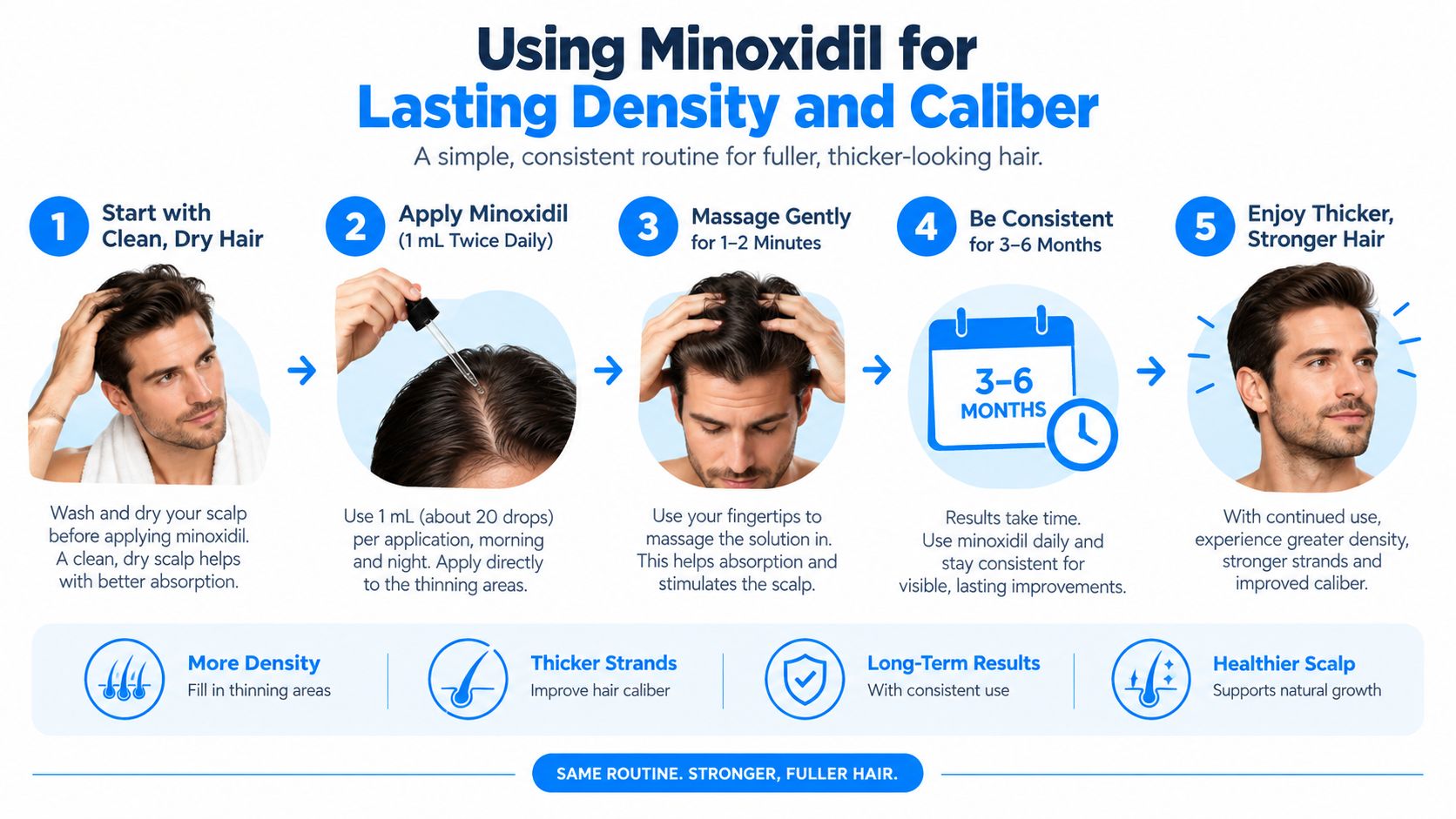
Using Minoxidil for Lasting Density and Caliber
When pattern hair loss is suspected, a diagnosis-first approach is more useful than relying only on thickening products. Topical minoxidil is an evidence-supported option for pattern-related thinning, but it requires consistent scalp application and realistic expectations. It can support regrowth and fullness, though it can't guarantee complete restoration.
Apply to the scalp and keep a record
Use the product at its labeled frequency, commonly once or twice daily, and apply it to the affected scalp rather than coating the hair shaft. Liquid formulations are often dosed at 1 mL per application; 5% foam is commonly dosed at approximately half a capful for men. Formulations and directions differ, so follow the product label and clinician guidance. Leave it on the scalp for about four hours before washing.
Take baseline photographs of the same scalp regions under consistent lighting, then repeat at 3, 6, and 12 months. The American Academy of Dermatology notes that results commonly require 6–12 months, and continued daily use is needed to maintain regrowth. A practical benchmark is stabilization or visible thickening over that period, not a quick change in styling fullness. The AAD's guidance on hair-loss diagnosis and treatment explains the treatment timeline and limits.
In a controlled study summarized by the American Academy of Family Physicians, 20% of women using 2% topical minoxidil for 32 weeks reported moderate new hair growth, compared with 7% using placebo. A broader review found an average increase of 8.11 hairs per cm² with 2% minoxidil and 14.90 hairs per cm² with 5% in androgenetic alopecia. These results show potential benefit, not a promise of full restoration. The clinical summary also reports unwanted excess hair growth outside the scalp in about 7% of women using minoxidil. Clinical evidence summarized by the American Academy of Family Physicians
Common reasons treatment seems not to work include inconsistent use, stopping early, applying product mainly to hair rather than scalp, or mistaking temporary shedding for treatment failure. Minoxidil may cause scalp irritation or unwanted facial hair; pregnancy or breastfeeding calls for clinician-specific guidance. Information on castor oil for fuller hair may be relevant to readers considering cosmetic oils, but oils don't replace evidence-based treatment for pattern hair loss. For a broader discussion of hair-loss treatments that actually work, keep the distinction between cosmetic care and medical treatment clear.
Evaluating Low-Level Light Therapy as an Adjunct
Low-level light therapy (LLLT) may be considered as an adjunct for pattern hair loss when a person can maintain a device schedule. The evidence concerns specific device protocols, not every product marketed as red-light therapy. Published approaches include red light around 630–660 nm, sessions of 8–15 minutes three times weekly, or other cleared devices used every other day or daily. The light needs access to the scalp, so parting the hair over affected areas matters.
One randomized trial of a helmet-type device reported an increase of 41.90 hairs/cm² and a 7.50-µm increase in shaft thickness at 16 weeks. Controls changed by 0.72 hairs/cm² and had a 15.03-µm decrease in shaft thickness. A separate review reports a 35% hair-growth increase in a 16-week randomized trial using a 655.5-nm device every other day for 25 minutes. These are study results, not a guarantee that a particular device will produce the same outcome. Review of low-level light therapy for hair loss
| Device Parameter | Helmet RCT (16 wk) | 655.5-nm RCT (16 wk) |
|---|---|---|
| Protocol | Helmet-type device; exact schedule not specified here | 655.5 nm, every other day for 25 minutes |
| Reported result | Increase of 41.90 hairs/cm² and 7.50-µm increase in shaft thickness | 35% hair-growth increase |
| Interpretation | Trial outcome; not a prediction for every user | Review-reported trial outcome; not a prediction for every user |
Results may not add meaningfully to another treatment. In a trial comparing minoxidil alone with minoxidil plus twice-weekly LLLT, density improved by 11.43% and 14.78%, respectively, but the difference wasn't statistically significant (P = 0.45). That limits the case for assuming that combining treatments will reliably provide an extra benefit.
Assess response with standardized photographs or trichoscopy after at least 16 weeks. Before choosing a device, check its wavelength, irradiance, fluence, and regulatory clearance, and be realistic about whether the schedule is sustainable.
Volume Loss Linked to Weight-Loss Therapy
A sudden loss of fullness during or after significant weight reduction deserves a different interpretation from ordinary flat roots. Telogen effluvium, a temporary shift toward shedding after physiologic stress, can follow rapid weight change or reduced energy intake. Hair changes reported during GLP-1 or GIP therapy shouldn't automatically be described as direct follicular toxicity: weight-loss magnitude, nutritional adequacy, illness, and pre-existing pattern hair loss may all be relevant.
A recent survey of people receiving GLP-1/GIP-mediated weight-loss treatment reported hair changes in 38.9% of respondents, including shedding in 20.8% and thinning in 19.0%. 42% of reported shedding occurred within 1–3 months of starting weight-loss treatment. The survey describes reported experiences; it doesn't establish that a medication directly damaged follicles. Survey findings on hair changes during GLP-1/GIP-mediated weight-loss treatment
A systematic review summarized alopecia rates of approximately 3% to 7% in controlled trials, while real-world estimates varied more widely and sometimes exceeded 70%. The review identified telogen effluvium as the predominant pattern and emphasized the magnitude and speed of weight loss as contributors. In a trial of oral semaglutide, alopecia was reported in 23 of 334 participants (7%), compared with 9 of 333 placebo participants (3%); the difference was described as not statistically significant. A retrospective cohort found an association between tirzepatide and telogen effluvium, with a hazard ratio of 2.65, while that analysis identified no increased risk for semaglutide or liraglutide. These comparisons don't prove causation. Systematic review of hair loss associated with GLP-1 therapies
Postmarketing reports also showed disproportionate reporting signals for alopecia with semaglutide, with a reporting odds ratio of 2.46 and a 95% confidence interval of 2.14 to 2.83, and tirzepatide, with a ratio of 1.73 and a 95% confidence interval of 1.42 to 2.09. These ratios describe reporting patterns, not incidence or an individual's probability of hair loss. Reporting bias, confounding, and inconsistent diagnoses limit interpretation. Pharmacovigilance analysis of semaglutide and tirzepatide hair-loss reports
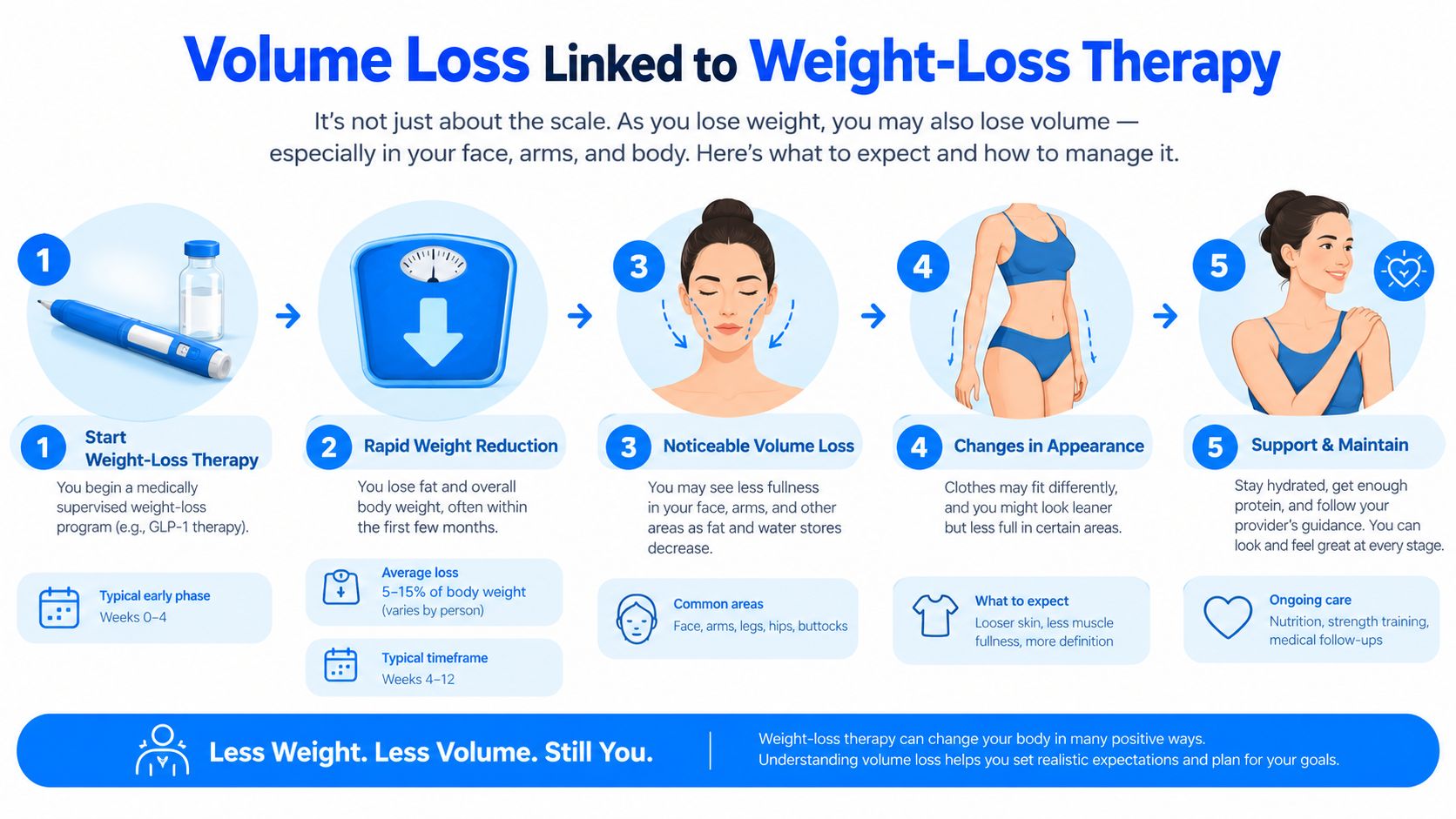
During substantial weight reduction, document baseline hair density, monitor the pace of weight loss, and review protein and micronutrient intake with a clinician. Persistent or severe shedding warrants assessment rather than an automatic decision to stop an effective medication. Clinicians should consider nutritional status and other causes alongside the timing of treatment.
When Styling Is Not Enough and a Clinician Should Weigh In
The change from styling concern to medical concern often shows up in the pattern. Flat roots with stable coverage are usually suitable for cosmetic adjustments. A widening part, more visible scalp, persistent diffuse shedding, or rapid unexplained loss calls for a closer look at the cause.
| Presentation | Likely Driver | Recommended Next Step |
|---|---|---|
| Flat roots, stable part and coverage | Styling, product weight, or natural hair behavior | Adjust product amount and drying technique; monitor for change |
| Widening part or increased scalp visibility | Possible follicle miniaturization or patterned loss | Arrange clinician evaluation |
| Diffuse shedding after rapid weight loss or another stressor | Possible telogen effluvium, with other causes still possible | Track timing, review nutrition and treatment changes with a clinician |
| Rapid, unexplained loss or inflamed scalp | Potential medical or inflammatory cause | Seek prompt clinician assessment and consider dermatology referral |
The differential includes telogen effluvium, thyroid disease, iron deficiency, inflammatory scalp disease, medication effects, and androgenetic alopecia. The right evaluation depends on the pattern and history; shedding shouldn't be attributed to a single medication or nutrient without assessment. Rapid change, focal patches, scalp inflammation, or ongoing worsening makes self-management alone a poor fit.
Before an appointment, take photographs under consistent lighting and record when shedding began, whether it's diffuse or patterned, and any recent medication or weight-loss interventions. A brief shedding diary can help distinguish a short-lived episode from a progressive change. People comparing options for men can also review hair-loss products for men, while keeping product selection separate from diagnosis.
Use the pattern to choose the next step. Stable fullness with flat roots supports a styling trial. New shedding after a stressor calls for monitoring and a discussion of nutrition and medical context. Progressive thinning, severe shedding, or unexplained rapid loss should move the priority from adding lift to finding the cause.
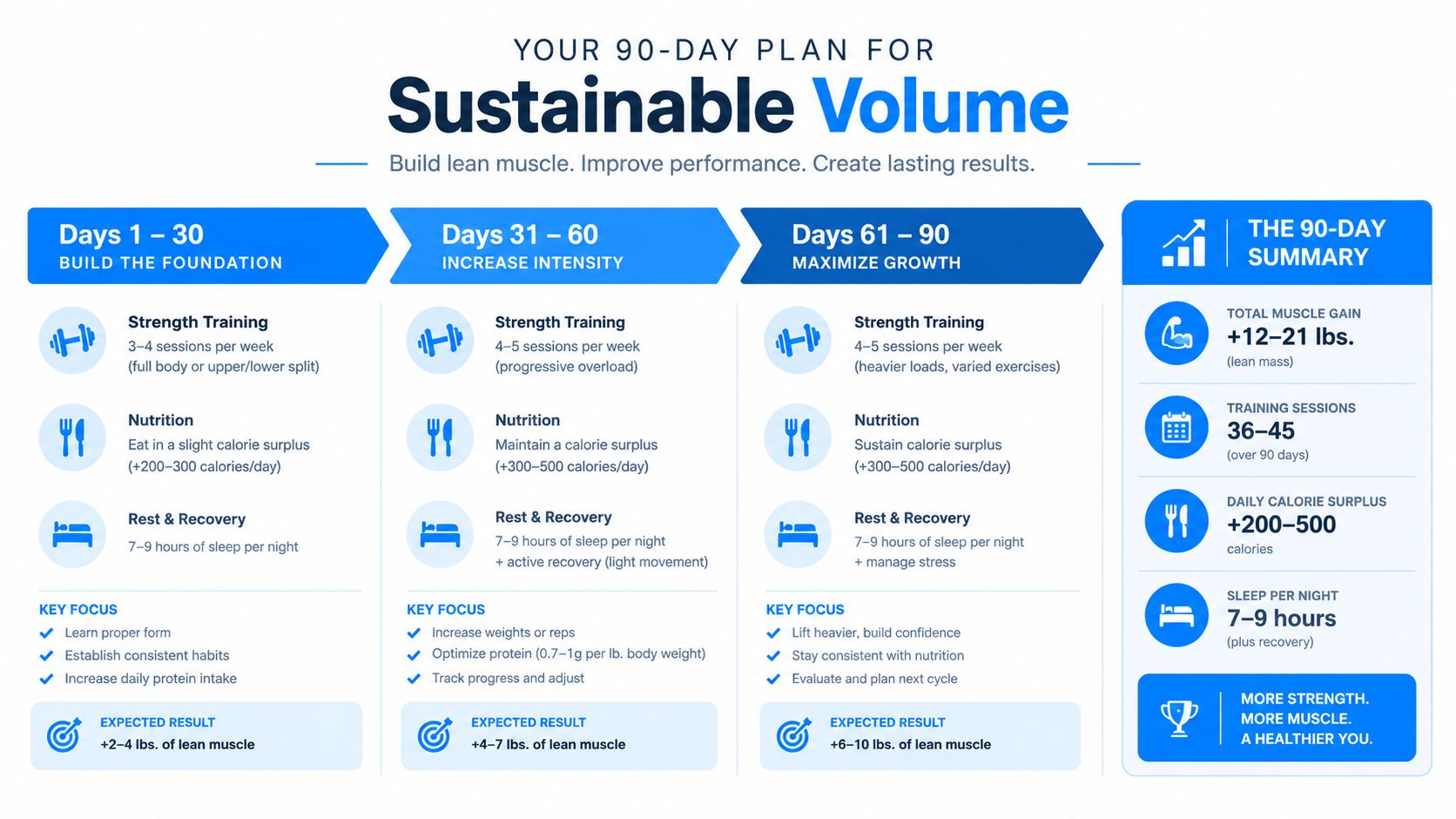
Your 90-Day Plan for Sustainable Volume
A practical plan starts with appearance and monitoring, then adds medical steps when the signs justify them. The sequence prevents a styling routine from becoming a substitute for assessing persistent thinning, while still giving readers with stable density useful ways to create lift.
Days 1–30
Choose a shampoo and conditioner that don't leave roots feeling coated, and apply conditioner mainly to the lengths if root lift is a concern. Try one styling change at a time: for example, lift the roots with a round brush or switch the part, then note whether fullness lasts. Schedule a haircut that suits the hair's texture and supports the desired shape.
Take baseline photographs of the part, temples, and crown under consistent lighting. Record whether the concern is flatness, visible scalp, or shedding. If coverage is stable and the issue is cosmetic, this period can help identify which routine changes are worth keeping.
Days 31–60
If the pattern suggests hair loss, arrange a clinical assessment before treating it as a styling issue. If minoxidil is appropriate, use the labeled formulation and frequency, apply it to the scalp, and track consistency. Don't judge a long-term treatment by a short-term change in appearance.
For readers considering LLLT, check that device specifications and clearance are documented, and decide whether the schedule is realistic. If hair changes coincide with substantial weight reduction, review dietary adequacy, including protein and micronutrients, with a clinician. Vials + Vitals offers physician-reviewed hair-regrowth protocols, including minoxidil; eligibility and treatment decisions depend on clinical assessment.
Days 61–90
Repeat photographs in the same locations and lighting, then compare them with baseline images rather than relying only on memory. Review the shedding diary for timing, pattern, and whether loss is improving, persisting, or progressing. Bring the record to a clinician if the part is widening, scalp visibility is increasing, or shedding remains severe or unexplained.
The first three months can help clarify the pattern and whether a routine is manageable; they aren't a substitute for the longer assessment window required by medical hair-loss treatments. A clinician can decide whether evaluation for nutritional, thyroid, inflammatory, medication-related, or patterned causes is warranted.
Lasting fullness depends on matching the strategy to the biology. Styling can create lift, but persistent shedding or miniaturization needs attention beyond the brush and product shelf.
Vials + Vitals provides physician-reviewed telehealth care for eligible adults, including individualized metabolic-health and hair-regrowth protocols when clinically appropriate. If hair changes are occurring alongside GLP-1 or GIP treatment, visit Vials + Vitals to learn about the clinical assessment and care options.